

本站推荐电影
-
·纳达尔因伤退出温网男单半决赛
·潮起渤海湾 奋楫“十五五”——党中央国务院邀请优秀专家人才代表北戴河休假侧记
·惨不忍睹!刚刚过去的周末,6人因车祸而死
·《GTA6》又泄露!夜景飞行美到窒息 等上PC不敢想
·《GTA6》葱哥粉丝线下嘲讽R星!拿着根韭葱在公司门口喊话
·美联储柯林斯:若无通胀持续回落证据 则需要尽快加息
·台风影响东南沿海 多地积极应对强降雨
·トヨタ最新「ノア X」が凄いッ! “3列7人/8人乗り”で 最上級より「130万円以上」オトク! 便利な「パワースライドドア」や安全機能が標準装備でイイ! シンプルな「最安モデル」とは?
·跳水世青赛:中国队获混合团体冠军
·总台专访丨伊朗知名学者:上合组织将为地区和全球发展作出巨大贡献
·工信部:“十五五”时期我国将培育建设500家零碳工厂
·真是登哥招募过来的!骑士新援沃特森转发动态祝贺哈登完成续约
·外星人的问候?加拿大发现了15亿光年的重复无线电波
·半场-西班牙0-0阿根廷 双方共16次犯规1黄牌
·iPhone18ProMax手机壳曝光,边框进一步收窄,灵动岛尺寸缩减,深樱桃红新配色亮眼
本站推荐电视剧
-
·一汽丰田bZ5/小鹏G7等 2025年第24周(6.9-6.15)新车预告
·8歳の男の子を反省させる目的で山中に置き去りか 28歳母親と交際相手の28歳男を逮捕 男の子が近くの施設に助け求める 静岡
·Severe Drought Causing Ruins of Ancient Roman Bridge Built Under Nero's Reign to Reemerge From Tiber
·SpaceX裁员内幕人士:马斯克召开员工会议并扼杀宣布裁员
·2 killed, 6 injured after car suspected of smuggling migrants overturns in Hungary
·卓创资讯:钢材负反馈交易近尾声8月份建筑钢材脱离底部
·不延期!跟队记者:意大利杯半决赛次回合米兰德比如期进行
·经济观察:算力也能“存”和“买” 中国探索“算力银行”“算力超市”
·CyberPowerPC Ragnarok游戏主机发布:第9代i9双RTX 2080 TI SLI
·马祖队亮相“闽超”赛场 与福州队上演友谊赛
·多云+午后雷阵雨 天气重回夏日熟悉节奏 新台风可能已在酝酿
·China Slams US Attempt to Ban Dutch Sales of Chipmaking Equipment
·Case against Secretary of Bangladesh Hindu Law Reform Parishad dismissed
·China urges U.S. to withdraw Section 232 tariffs on drones, parts
·Take-Two 为追查 GTA66 泄密者向联邦法院申请多项传票,要求微软和 Discord 提供相关信息。
电影下载排行
-
·美媒预测新赛季东部战绩变化:76人热火将获提升
·8月14日央行开展3490亿元隔夜逆回购操作
·美国对华加征关税,印度担心被“误伤”,怕中国钢铁抢占印度市场
·从“造星”到“运营星” 浙江一民企获批开展卫星物联网商用试验,从“造星”到“运营星” 浙江一民企获批开展卫星物联网商用试验
·沪深两市成交额突破5000亿元
·2025年618活动什么时候买最便宜?淘宝京东618活动5月30日20点正式开始:开门红优惠力度最大!
·Giant panda Jia Jia celebrates 14th birthday at Shanghai wildlife park
·13万变3万!赖清德社会住宅政策严重跳票,各界痛斥选前“画大饼”愚弄民众
·建德“轻极限运动月”周末开启 水陆空全域联动十项赛事等你来
·为求早日离婚栽赃妻子藏毒 渣夫判监3年10个月
·Ali Fazal to Collaborate With Shakun Batra for a Film on Social Media & Modern Relationships
·县文旅广电局举办“奔跑吧·少年”主题篮球赛
·Over 60 countries, regions and international organizations to participate in 2026 CIFTIS
·10,000-square-meter 'Robot Consumer Street' debuts in Beijing
·(长江十年行)长江入海处,中国制造从这里驶向深蓝,(长江十年行)长江入海处,中国制造从这里驶向深蓝
电视剧下载排行
-
·中方报价低也是错?保加利亚高铁项目泡汤,因错选西班牙自食其果
·天皇陛下、66歳誕生日ご会見 愛子さま「一人の人間、一人の皇族として立派に」と願われ 天皇陛下、誕生日ご会見全文(下)
·Terror attacks in Pakistan surge
·福州102个小区完成消防用水改造
·武警想资助背下山的喝奶娃娃上学
·1-7月份内蒙古自治区经济保持平稳、向新向优向好发展态势
·微软牵手Mistral,投入数十亿美元布局欧洲AI算力
·RTX 3060 Ti升级GDDR6X显存:跑分飙升10%
·政声直达|截至今年6月,河北智能算力规模、在用机架规模均位列全国第一
·百济神州:上半年净利润32.71亿元,同比增长627.15%
·瑞天空:加拉塔萨雷与扎卡初步接触,药厂愿意低价放球员离队
·India logs 2,678 new Covid cases
·祥乾资产|沪指弱势震荡跌0.8%,金融、酿酒等板块下挫_钱银_经济
·商汤科技:上半年首次录得IFRS净利润6.17亿元,为上市以来首次录得盈利
·A small number of Chinese nationals injured in Indonesia earthquake; China ready to provide assistance based on Indonesia's needs: FM spokesperson
平安365
-
发布时间:2026-08-26
心理罪
Xi Jinping stresses further modernizing national defense, military_我的网站

一 |
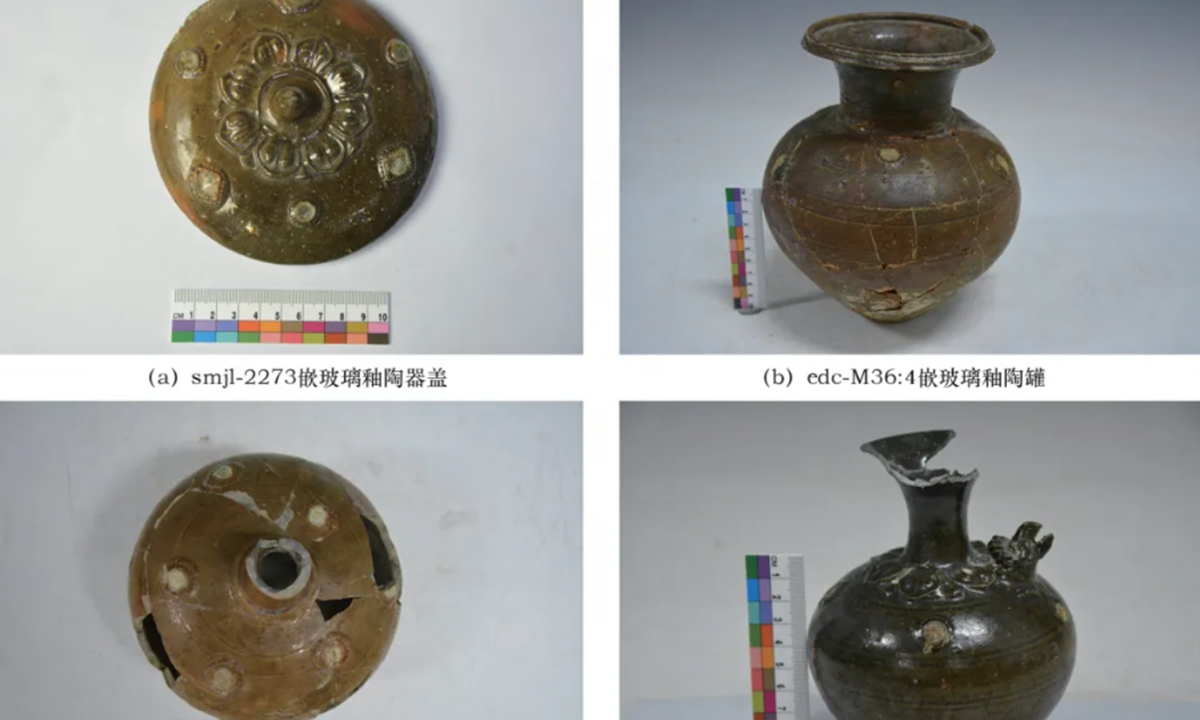
Systematic analysis conducted by the institute of pottery wares dating back to the Pingcheng period of the Northern Wei Dynasty (386-534) has identified distinct foreign cultural and technological elements embedded in the craftsmanship and material composition of the unique artifacts, shedding fresh light on ancient Eurasian cultural integration.
Established by the Tuoba Xianbei ethnic group, the Northern Wei Dynasty designated Pingcheng, present-day Datong city in Shanxi Province, as its capital from 398 to 494. For nearly a century, the city served as a pivotal multicultural hub where Xianbei nomadic culture, Central Plains Han culture and diverse Western Regions civilizations converged and interacted, according to a report on Chinanews.com.cn.
Archaeological excavations at multiple tomb clusters in Pingcheng, including the Dongxin Northern Wei cemetery and the Qilicun cemetery, have yielded a total of eight pieces of glass-inlaid glazed pottery. Though far fewer in number compared with common glazed pottery figurines and painted glazed wares, these artifacts feature an extremely rare inlay technique unseen elsewhere in the developmental history of Chinese ceramics, according to the press release.
Given the exceptional rarity and good preservation of the relics, researchers selected four representative pieces for comprehensive laboratory testing and material analysis. The results show that the glass inlays are primarily soda-alumina glass, most likely produced by remelting trade beads from the Indian Ocean and Pacific regions, a key commodity in ancient maritime and overland trade networks.
The findings confirm that Pingcheng maintained frequent cross-border trade and cultural communication during the Northern Wei era, with access to glass raw materials sourced from diverse overseas regions. The varied compositional characteristics of the inlaid glass provide crucial clues for studying ancient glass-making technologies, raw material circulation and long-distance trade routes in ancient East Asia, the press release noted.
Beyond material composition, the artifacts also embody prominent cross-cultural innovation in design. Their decorative motifs draw heavily on gem-encrusted gold and silver wares of the Sasanian Persian Empire, while integrating artistic elements from other Eurasian regions. The blended design styles reflect the era's prevailing trend of multicultural fusion and creative assimilation of foreign civilizations.
Archaeologists noted that the glass-inlaid glazed pottery represents an innovative technological achievement crafted by Northern Wei artisans who absorbed and refined foreign techniques and aesthetics. The distinctive craftsmanship and stylistic features of these wares exerted a far-reaching influence on ceramic production in surrounding regions and subsequent dynasties, marking a vital chapter in the evolution of ancient Chinese ceramic art.
The research underscores that ancient China's northern borderland was not an isolated cultural enclave, but an active node in Eurasian cultural and trade exchanges, where foreign elements were localized and innovated to form unique regional civilizational achievements, archaeologists from the Shanxi Provincial Institute of Archaeology said.
。 Beijing, Oct 16 (UNI) Chinese President Xi Jinping said on Sunday achieving the goals for the centenary of the People's Liberation Army in 2027 and more quickly elevating the people's armed forces to world-class standards are strategic tasks for building a modern socialist country in all respects.
"We will strengthen Party building across the board in the people's armed forces to ensure that they always obey the Party's command," said Xi at the opening session of the 20th National Congress of the Communist Party of China (CPC).
The Party will improve the institutions and mechanisms for implementing the system of ultimate responsibility resting with the chairman of the Central Military Commission, he said.
Xi said the CPC will strengthen Party organizations in the people's armed forces, carry out regular activities and put in place institutions to improve the military's political work, and make unremitting efforts to improve conduct, enforce discipline, and combat corruption in the military.
The CPC will intensify troop training and enhance combat preparedness across the board, strengthen all-around military governance, and consolidate and enhance integrated national strategies and strategic capabilities, Xi said.
UNI/XINHUA PRT。

二 |
Current article:http://vmbq33.chengjuecannaobianmouqueduoyu.shop/nncu9/x9u.html
Published on:16:34:16
下载地址2:点击进入迅雷高速下载 温馨提示:邀请好友一起下,可提高下载速度,若遇无法下载,可另选时间尝试或重装软件!
下载方法:安装软件后,点击即可下载,谢谢大家支持,欢迎每天来!